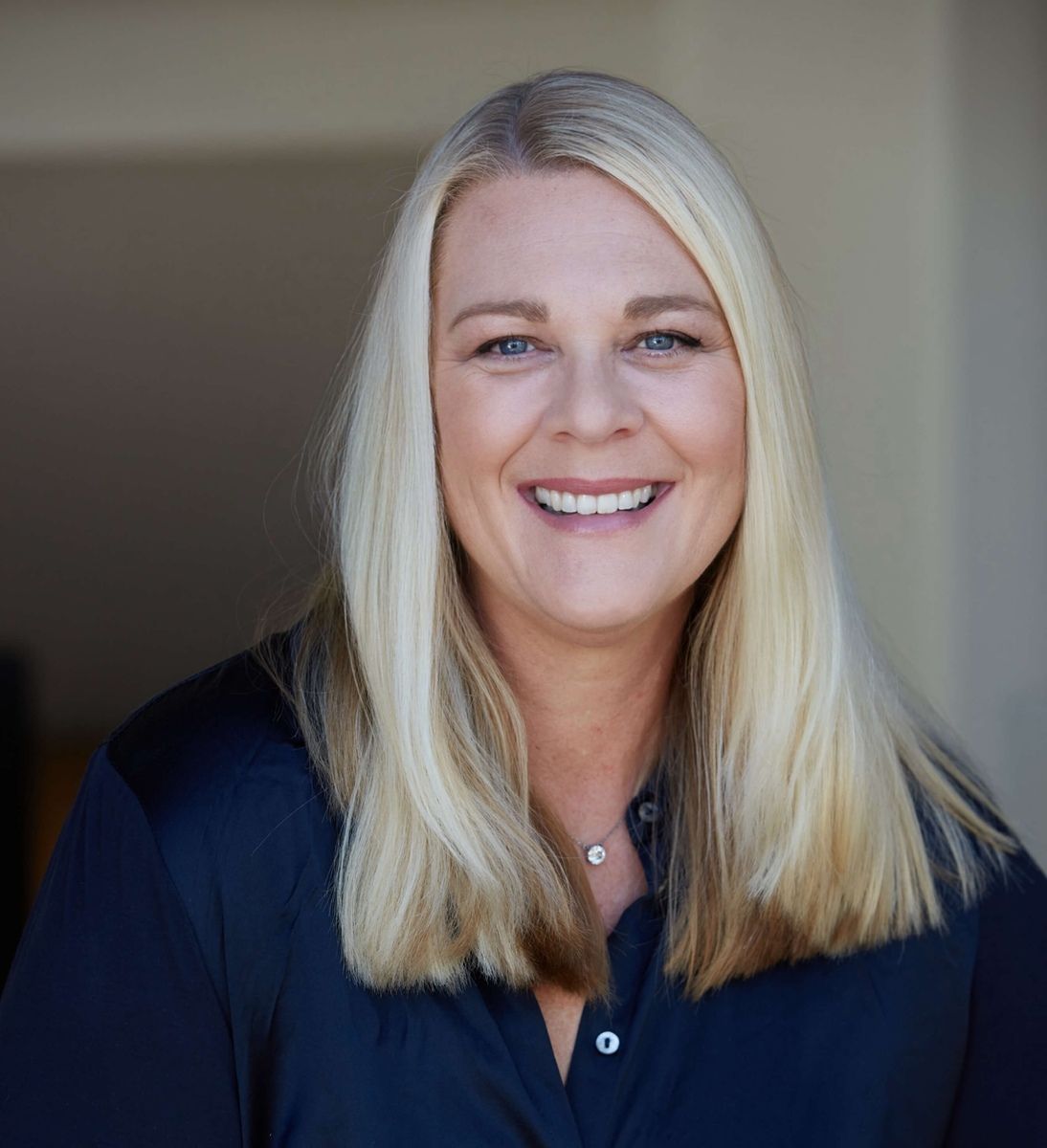

Welcome back to Healthy Innovations! 👋
This week I'm sharing some of the books that shaped how I think about science, medicine and healthcare, including a couple that are on my TBR (to be read) list.
I still remember reading Robin Cook's Outbreak in the late 1980s - that thriller about an Ebola outbreak in the US, made into the 1995 film starring Dustin Hoffmann. I'm pretty sure this exciting story about a deadly, hemorrhagic virus sparked my decision to major in Infectious Diseases at university!
Since then, I've read countless books on science, medicine, biotechnology and innovation. From exposés to biographies, the best books didn’t just tell stories - they sparked conversations.
So, whether you're looking for holiday gifts or building your own reading list, these are the ones I keep coming back to.
Let's dive in!
Note: Links to books are not affiliate links.
Please shop your independent book sellers when possible.
Medical scandals, ethics and the dark side of innovation
Some of the most important lessons in healthcare come from its failures.
These books document what happens when ambition, profit or negligence corrupt the scientific process, revealing systemic vulnerabilities that continue to shape regulatory reform today.

Bad Blood by John Carreyrou (2018) won the 2018 Financial Times and McKinsey Business Book of the Year Award for its investigation into Theranos, the blood-testing startup that raised over $700 million and achieved a $9 billion valuation before collapsing under the weight of its fraudulent claims. Carreyrou, a two-time Pulitzer Prize winner, interviewed more than 150 people to document how Elizabeth Holmes convinced investors, partners and even Vice President Joe Biden that her technology worked when it fundamentally didn't. The book captures how pharmaceutical investors were misled and how inaccurate test results were sent to real patients, making life-altering medical decisions based on flawed data. For anyone building healthcare technology, it's a masterclass in what rigorous validation actually requires.
Dopesick by Beth Macy (2018) won the 2018 Los Angeles Times Book Prize for Science and Technology and became a critically acclaimed Hulu series. The book traces the opioid epidemic from its origins with OxyContin's 1996 release through communities in central Appalachia, documenting how pharmaceutical marketing, regulatory failures and social vulnerability combined to create a national crisis. With 72,000 overdose deaths recorded in the year before publication, Macy's reporting reveals how aggressive drug marketing and inadequate addiction treatment infrastructure allowed a preventable epidemic to devastate communities across America. The book was turned into a 2021 TV miniseries starring Michael Keaton.
The Immortal Life of Henrietta Lacks by Rebecca Skloot (2010) examines the ethical complexities behind HeLa cells, one of modern medicine's most important research tools. Henrietta Lacks' cancer cells were taken without her knowledge or consent in 1951 and have since contributed to countless medical breakthroughs, from polio vaccines to cancer treatments. Skloot's narrative explores the intersection of medical advancement, racial injustice and informed consent, raising questions about who benefits from scientific progress and who bears its costs. As someone who used HeLa cells for viral culture for almost a decade, this one was a very powerful read.
And the Band Played On by Randy Shilts (1987) remains the definitive investigation into the early HIV/AIDS crisis and is my all-time favorite book in the health genre. Published in 1987, the book documents the political failures, institutional indifference and social stigma that allowed a preventable epidemic to become a global catastrophe. Shilts' reporting reveals how delayed government response, inadequate funding and discrimination cost thousands of lives while highlighting the activists, clinicians and scientists who fought for recognition and resources. My copy is not only dog-eared from multiple reads, it is also signed by Dr Michael Gottlieb, the US immunologist credited with the identification of AIDS as a new disease in 1981.
Breakthrough science, discovery and the people behind it
These books bring modern biology and biotechnology to life through the stories of the scientists, entrepreneurs and technologies reshaping medicine.

The Code Breaker by Walter Isaacson (2021) chronicles the development of CRISPR gene editing through the story of Jennifer Doudna and Emmanuelle Charpentier, who won the 2020 Nobel Prize for their work. Named a Best Book of 2021 by Bloomberg BusinessWeek, Time and The Washington Post, the book debuted at number one on The New York Times bestseller list. Isaacson's characteristic biographical approach traces how fundamental research into bacterial immune systems became the most powerful gene editing tool in history, with applications ranging from sickle cell disease treatment to agricultural innovation.
The Song of the Cell by Siddhartha Mukherjee (2022) won the 2023 PROSE Award for Excellence in Biological and Life Sciences and the 2023 Chautauqua Prize. Named a New York Times Notable Book and a bestseller, the book brings Mukherjee's characteristic narrative skill to cellular biology and cellular therapies. The Pulitzer Prize-winning author of The Emperor of All Maladies explores how understanding cells as the fundamental units of life has enabled breakthroughs in immunotherapy, regenerative medicine and precision treatments, making complex science accessible through compelling storytelling.
The Age of Living Machines by Susan Hockfield (2019) explores how biology and engineering are converging into what the former MIT president calls the next industrial revolution. The book examines innovations like virus-built batteries, neural prosthetics and cancer-fighting nanoparticles, arguing that the 21st century will be defined by technologies that blend the living and engineered worlds. In such a fast-moving area, this book might be a bit dated, so it works better as a foundational overview and narrative history than as a guide to the very latest biotech.
Hacking Humanity by Lara Lewington (2025) this just released book provides an accessible tour through emerging human enhancement technologies. From brain-computer interfaces to gene editing, the book examines technologies aiming to extend lifespan, enhance cognition and upgrade human capabilities, providing context for debates about the ethics and feasibility of human augmentation. This is on my TBR list for 2026.
Public health, epidemics and the systems that shape us
Understanding how disease, society and policy intersect requires stepping back to see the larger forces at play.
These books reveal how epidemics emerge, spread and eventually transform the systems designed to contain them.

The Great Influenza by John M. Barry (2004) was a number one New York Times bestseller that spent over a year on the bestseller list and won the 2005 Keck Communications Award from the National Academies of Science for the year's outstanding book on science or medicine. The book provides the definitive account of the 1918 pandemic that killed an estimated 50 million people worldwide. More than a historical narrative, it documents the birth of modern scientific medicine through the lens of the researchers and public health officials who confronted an unprecedented crisis with inadequate tools and understanding. Reading this at the start of the Covid-19 pandemic was very eye-opening!
Unnatural Causes by Richard Shepherd (2018) reveals the social and environmental forces behind mortality through decades of death investigations by Britain's foremost forensic pathologist. Each case illuminates how poverty, domestic violence, workplace safety failures and environmental hazards shape population health in ways that clinical medicine alone cannot address. Fabulous book on a topic most people know little about.
The Ghost Map by Steven Johnson (2006) tells the story of the 1854 London cholera outbreak and how physician John Snow's epidemiological detective work identified contaminated water as the source. Beyond its historical significance, the book illustrates how data mapping and scientific reasoning can solve public health mysteries, establishing principles that remain foundational to epidemiology today. Another one on my TBR list.
Medicine through a human lens
The most powerful healthcare narratives often come from those navigating illness, mortality and the realities of medical practice firsthand.
These deeply personal accounts illuminate what statistics and clinical studies cannot.

This Is Going to Hurt by Adam Kay (2017) offers an unvarnished look at life as a junior doctor in the UK's National Health Service. Through diary entries spanning six years, Kay blends dark humor with heartbreaking honesty about the physical exhaustion, emotional toll and systemic dysfunction facing healthcare workers, providing insight into why physician burnout has become a global crisis. The 2022 TV miniseries of the same name is a must watch.
When Breath Becomes Air by Paul Kalanithi (2016) was a number one New York Times bestseller, a Pulitzer Prize finalist, and has sold over two million copies. The book spent 68 weeks on the bestseller list and won the 2016 Goodreads Choice Award for Memoir & Autobiography. It chronicles a neurosurgeon's confrontation with terminal lung cancer at age 36, exploring questions of meaning, mortality and what makes life worth living when death becomes imminent. The memoir offers perspectives on end-of-life care from someone who understood it both as physician and patient. Do not finish this book in public.
Being Mortal by Atul Gawande (2014) examines how modern medicine handles aging and death, arguing that healthcare often extends life without considering quality of life or patient priorities. Through clinical cases and personal narrative, Gawande makes the case for more honest conversations about mortality and care that honors what patients actually value.
The Man Who Mistook His Wife for a Hat by Oliver Sacks (1985) collects remarkable neurological case stories that illuminate the complexity and fragility of human cognition. Each case reveals how brain damage or dysfunction can alter perception, memory and identity in profound ways, demonstrating why neurology requires both scientific rigor and deep empathy. One of the first books I read in this genre, and probably quite outdated now in terms of therapeutic approaches, but it has stayed with me for close to 30 years.
Do you have a favorite book you keep coming back to or recommending? Let me know and I’ll include it in a follow up list!
Thank you for reading the Healthy Innovations newsletter!
Keep an eye out for next week’s issue, where I will highlight the healthcare innovations you need to know about.
Have a great week!
Alison ✨
P.S. If you enjoyed reading the Healthy Innovations newsletter, please subscribe so I know the content is valuable to you!
P.P.S. Healthcare is evolving at an unprecedented pace, and your unique insights could be invaluable to others in the field. If you're considering starting your own newsletter to share your expertise and build a community around your healthcare niche, check out beehiiv (affiliate link). There's never been a better time to start sharing your knowledge with the world!
